moonbird: turning guided breathing into a physical experience
moonbird expands and contracts in the hand to guide breathing pace. We examine why this tactile interface is more interesting than another wellness app.
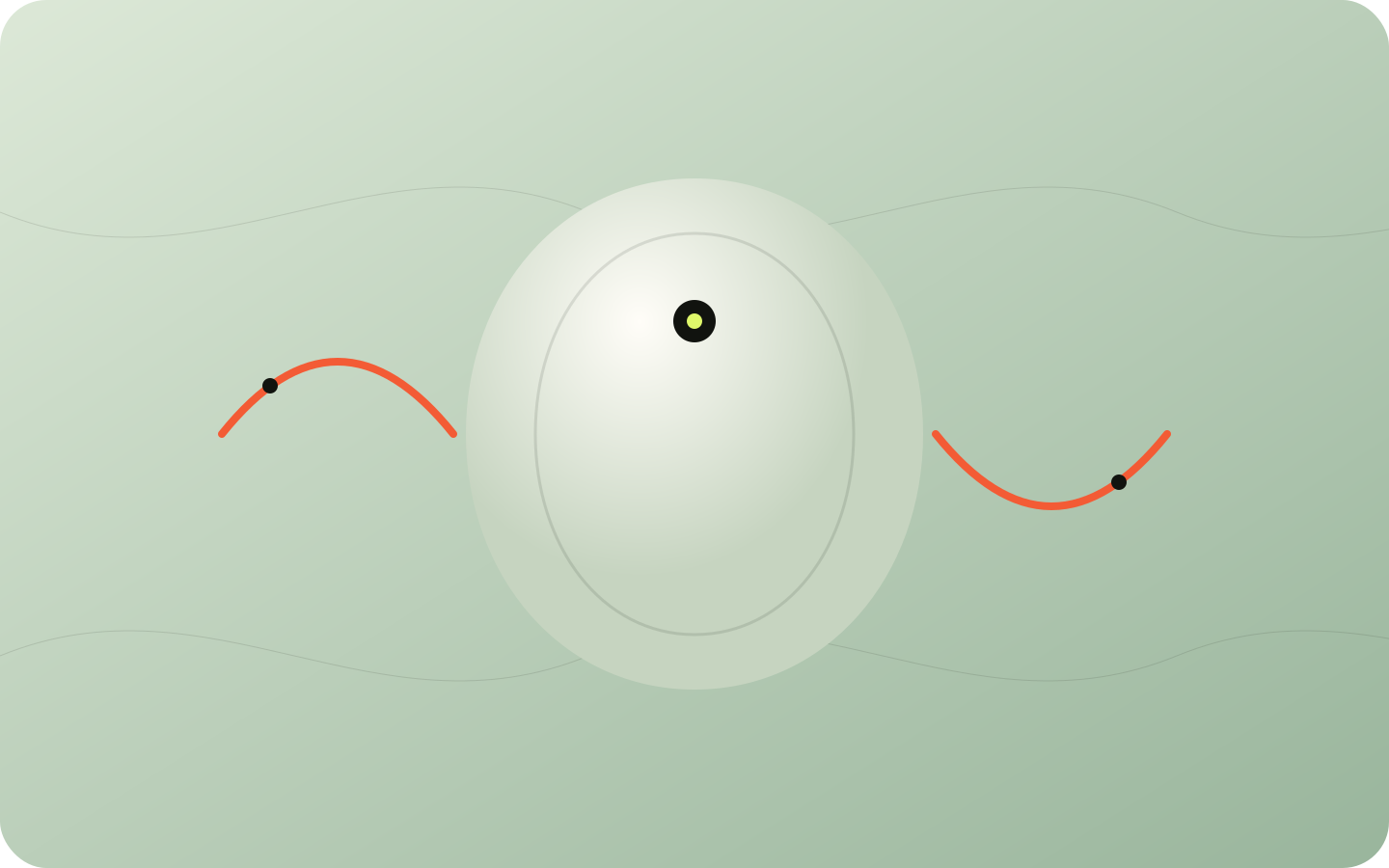
Guided breathing is not a new practice. The difficulty is often not understanding it, but keeping attention and turning it into a habit. moonbird addresses that friction physically: a small device that expands as you inhale and contracts as you exhale.
The interaction does not require staring at a screen or counting seconds. You hold the device, follow its movement with your hand and let the rhythm guide the session.
What makes moonbird different
There are hundreds of breathing videos, apps and timers. moonbird does not invent slow breathing, but it changes the interface through which it is practised.
That has three practical consequences:
- The guidance is felt rather than watched.
- The phone can remain out of sight.
- Attention has a simple physical anchor.
The companion app can display heart rate and heart-rate variability —HRV— and adjust sessions. The brand also explains that the device works without looking at the app, which is consistent with the aim of reducing friction.
An interface understood in seconds
The strongest wellness products do not always introduce new science. Sometimes they make a useful behaviour easier to begin.
The flow here is direct:
- Hold the device with a thumb on the sensor.
- Feel its volume change.
- Inhale as it expands.
- Exhale as it contracts.
There is little learning curve. That supports demonstrations in editorial content, professional sessions and physical retail.
Where it may add value
moonbird may suit people who find meditation apps too abstract or who want a brief routine before bed, during a break or after training.
There is also a professional angle. Therapists, coaches and wellbeing centres can use a tactile guide to introduce an exercise without continuously giving verbal timing instructions.
That does not make the device a treatment or guarantee a particular outcome. The experience depends on the practice, context and individual response.
Price and friction
The official website displayed a price of €179 during this review. That is a substantial price for something that, described superficially, “helps you breathe”. Communication therefore needs to justify the design, sensors, personalisation and adherence value without exaggerating benefits.
The central question is not whether a person can breathe slowly without moonbird. They clearly can. The question is whether the object makes them practise more consistently and with less friction.
Why it interests us as a market opportunity
moonbird publicly offers two lower-risk routes:
- An affiliate programme that can generate sales without becoming the seller.
- A retail and wholesale proposition for shops, distributors and professionals.
That supports a sensible Spain sequence: localised content, affiliate validation and negotiation of commercial terms only when demand has been demonstrated.
The company is European, the product is compact and the concept works well in video. Margin, direct fulfilment, returns, Spanish instructions and any existing Spanish partner would still need to be confirmed.
Radar verdict
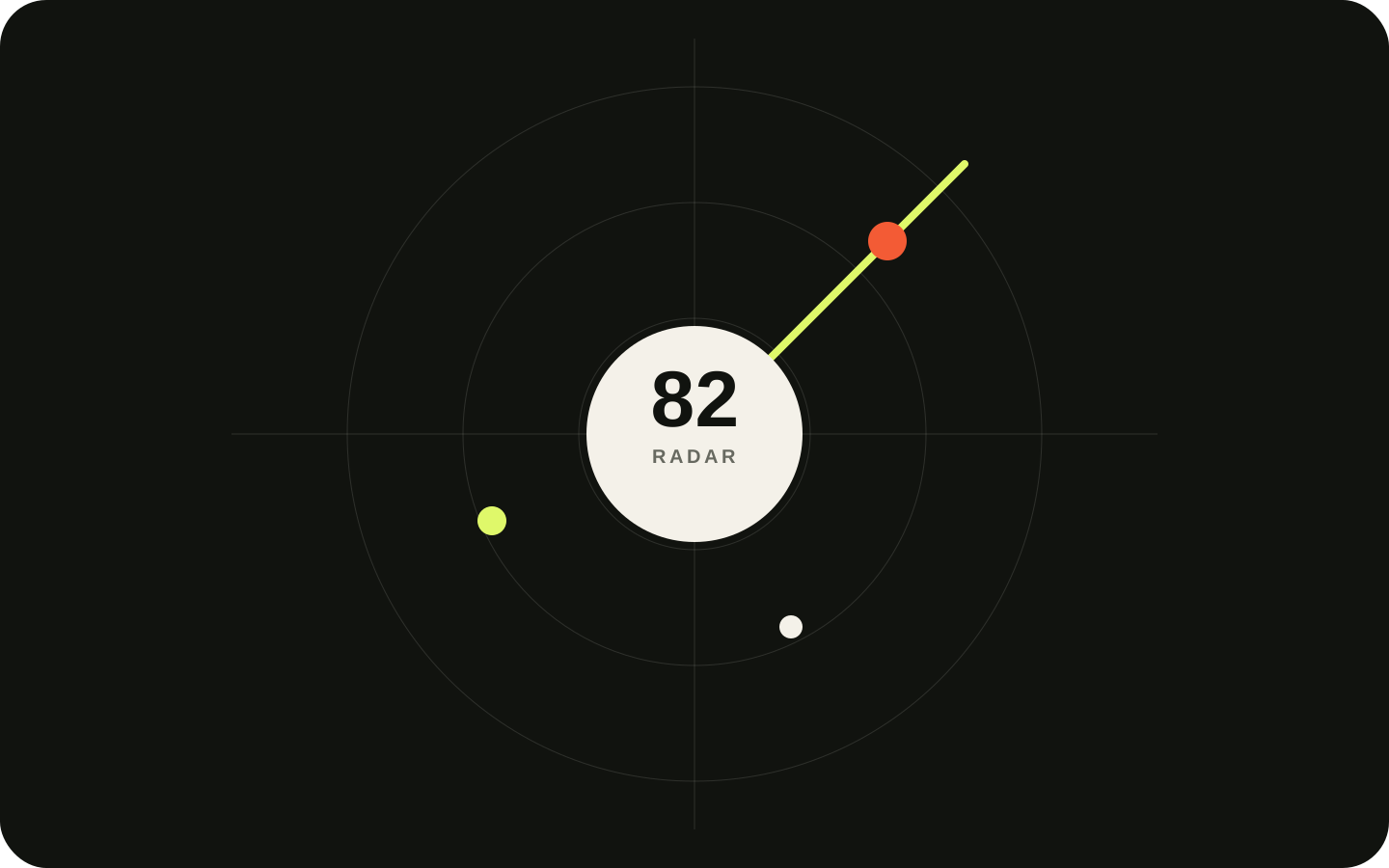
moonbird scores 80/100. Its main strength is turning an intangible practice into a clear physical interaction. The published affiliate route also matters.
It loses points because perceived value may vary, the price needs careful education and the relaxation category is crowded with difficult-to-differentiate claims. The brand ultimately needs to show that the device remains in use after the initial novelty.
Sources and references
Editorial and informational content. It is not a substitute for professional medical advice.
Updated: 19 August 2026